Priced out of shopVOX? Turn your Excel pricing sheet into a quoting and proof-approval app
Sign and print shops keep the Excel calculator because it encodes how they price. The fix is a better front end around it, not a subscription to someone else's model.

On the sign and print forums the same thread comes up every few months: an owner asks what everyone uses for quotes, jobs and invoices, and the answers split into two camps. One camp pays for a shop-management platform and complains about the monthly price, the per-user seats and the features they never touch. The other camp has an Excel or Google Sheets pricing calculator that works, and a job list that doesn't.
One owner put it plainly: "I spend hours on quotes and by the end I feel like I'm pretty much guessing everything."
This post is for the second camp. If your pricing lives in a spreadsheet you built yourself, you do not have a software problem to solve by subscribing to something. You have a working pricing method that needs a better front end.
Why the spreadsheet survives
Owners keep the Excel calculator for a reason that the software vendors never acknowledge: it encodes how you price. Your material rates, your waste factors, your setup times, the margin you add for a rush job or a difficult client. A shop-management platform asks you to translate that into its model, and the translation is where the hours go and where the guessing starts.
The forums are full of the second half of the story. Owners who trialled a platform describe it as far more complicated than the shop needs, report the subscription rising steeply once the introductory price ends, and object to paying per seat so the production floor can see the job board. So they go back to the sheet, and the sheet keeps failing them in the same four places:
- A quote lives in one file on one machine, so the second person in the office cannot pick it up.
- The customer approves a proof by email or WhatsApp and nobody can say later which version they said yes to.
- The job board is a whiteboard, so "where is job 1042" is a phone call.
- The invoice is retyped into Xero or QuickBooks, and sometimes it isn't.
None of those are pricing problems. They are plumbing problems around a pricing method that works.
What a one-off build looks like
The alternative to "subscribe to someone else's model" is a small system built around your sheet's logic. It is less than people expect.
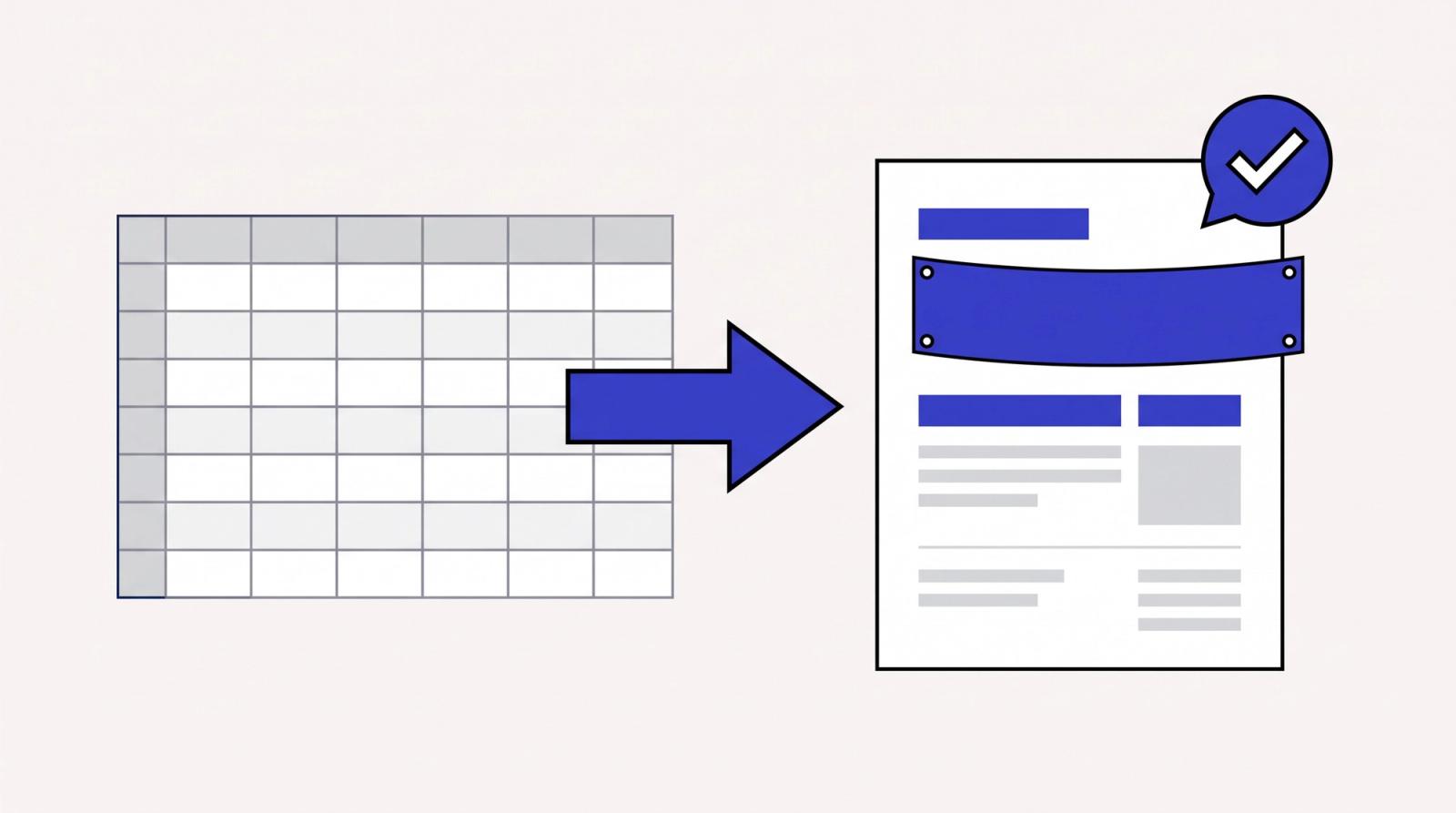
A quote builder with your maths inside it. We take the calculator you have, keep every rate and rule exactly as it is, and turn it into a form your staff can use: pick the product, enter the dimensions and quantity, choose the options, get the price. The logic stays yours and stays editable. What changes is that quotes are saved, numbered, versioned and visible to everyone in the office.
A proof-approval link. The customer gets a link, not an attachment. They see the proof, approve it or request changes, and the approval is recorded against the quote with a timestamp. The "which version" argument ends.
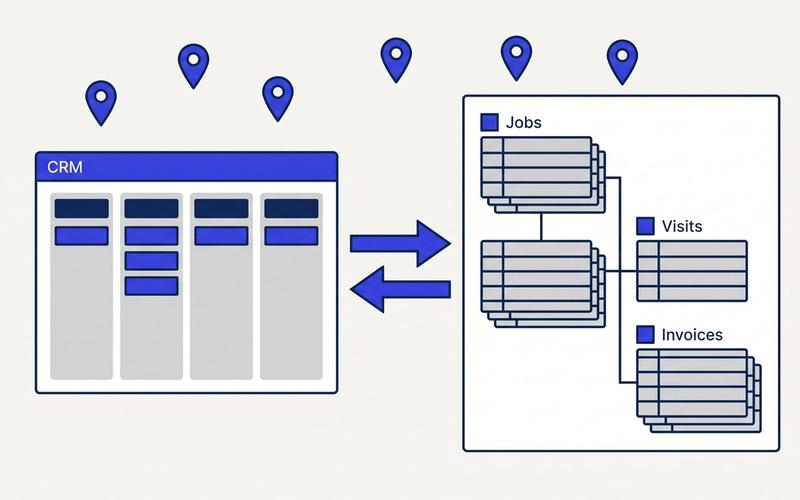
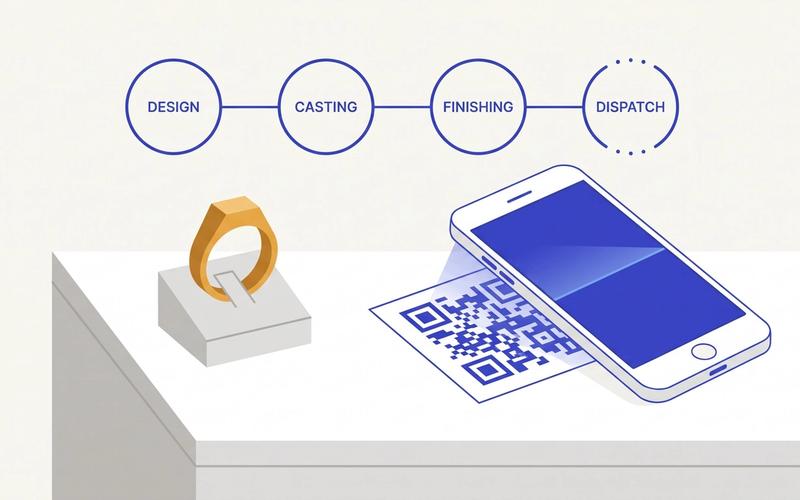
A job board that the floor updates. Once a quote is approved it becomes a job with stages. The person doing the work moves it with a tap or a QR scan. The office sees what is late without asking.
Invoice to your accounting system. Completed job, one click, invoice created in Xero or QuickBooks with the right line items. No retyping.
That is the whole thing. No per-user seats, because it is yours. No features you don't use, because it was built from what you do.
When you should just buy the platform
We would rather say this than sell you a build you don't need. Subscribe to shopVOX, Quotient or similar if:
- Your pricing is standard enough that their templates fit without a fight.
- You want the payment processing, customer portal and CRM features bundled, and you will use them.
- You are a one-person shop and the monthly fee is less than a day of your time.
Build your own if your pricing is your edge, if you have a team that needs to share quotes and jobs, if you are already paying for a platform and still running the spreadsheet beside it, or if you have tried a platform and gone back.
What it costs and how long it takes
A quoting and approval system built from an existing sheet is a fixed-price build for us, scoped after a two-hour Process Audit where we go through the calculator with whoever built it. The pilot is one process end to end, usually quote-to-approval, delivered in two to four weeks and running on real quotes before anything else is committed. The job board and the accounting link come next if you want them.
The cost moves on three things: how many product types the calculator covers, whether customers need their own portal or just an approval link, and what the job board has to talk to.
We have built the pieces before. The customer approval flow and QR-based job stages above are the ones we built into a jewellery manufacturer's production system; the in-browser design collaboration came from a 3D platform where manufacturers and customers mark up designs together.
Where to start
Send us the calculator. Not a description of it, the actual sheet. Twenty minutes with it tells us whether a build makes sense for your shop or whether a platform will do, and we will say which.